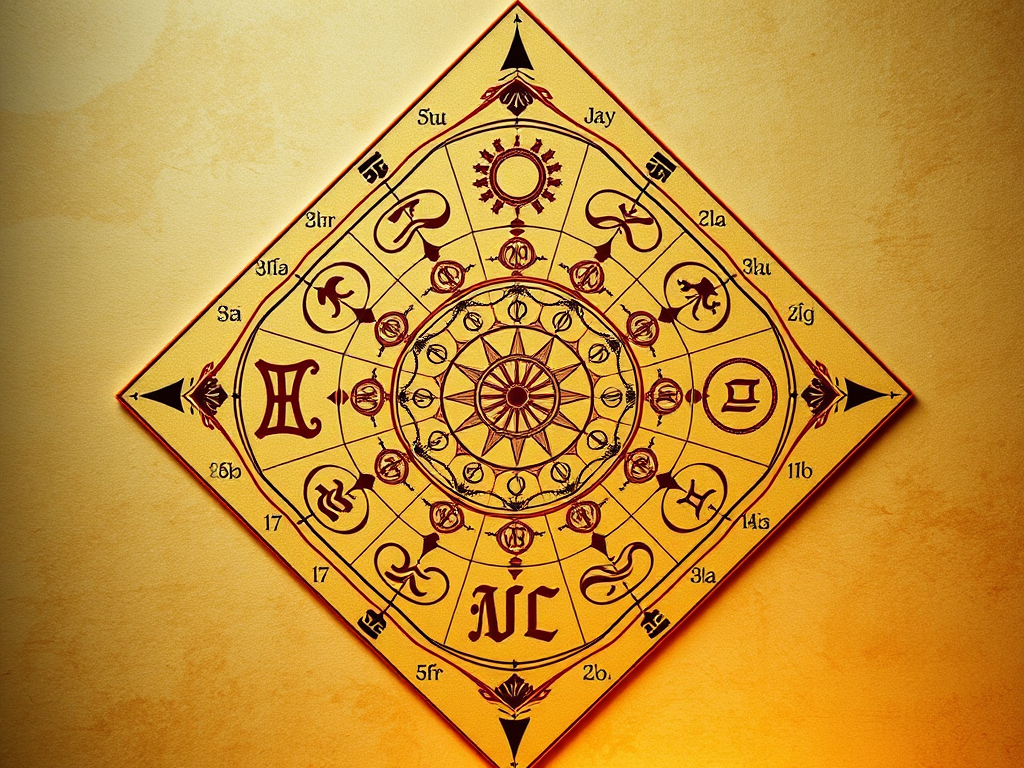
A birth chart (Janma Kundli) in Vedic astrology is a map of the sky at the moment of birth. The chart shows where the planets were positioned relative to the Earth and the zodiac at that time. In North India, charts are traditionally drawn in a diamond-shaped structure. The houses remain fixed in position, while the zodiac signs move within those houses. This differs from the South Indian chart, where signs remain fixed and houses rotate.Understanding this difference is important because the interpretation method depends on the chart style. A Vedic birth chart contains three core components:What a birth chart contains
1. Houses (Bhava): These represent areas of life such as personality, family, work, health, and relationships.
2. Zodiac signs (Rashi): These describe the manner or psychological tone through which life events unfold.
3. Planets (Graha): Planets act as indicators of tendencies, motivations, and karmic patterns.The rising sign at birth is called the Lagna (Ascendant). It determines the starting point of the houses and strongly influences the personality and life orientation.
Traditional texts such as Brihat Parashara Hora Shastra emphasise that planetary indications show tendencies and timing possibilities, but human conduct and decisions remain essential. The North Indian layout became dominant across Uttar Pradesh, Bihar, Delhi, Rajasthan, and surrounding regions because: It highlights the houses clearlyWhy North Indian style is widely used
It simplifies predictive calculationsIt matches classical interpretive teaching traditions For this reason, many family astrologers and Panchang-based readers still prefer it. A birth chart is best understood as a structured symbolic framework. It indicates life themes and timing cycles, but it does not replace judgement, ethics, or practical action
Leave a Reply