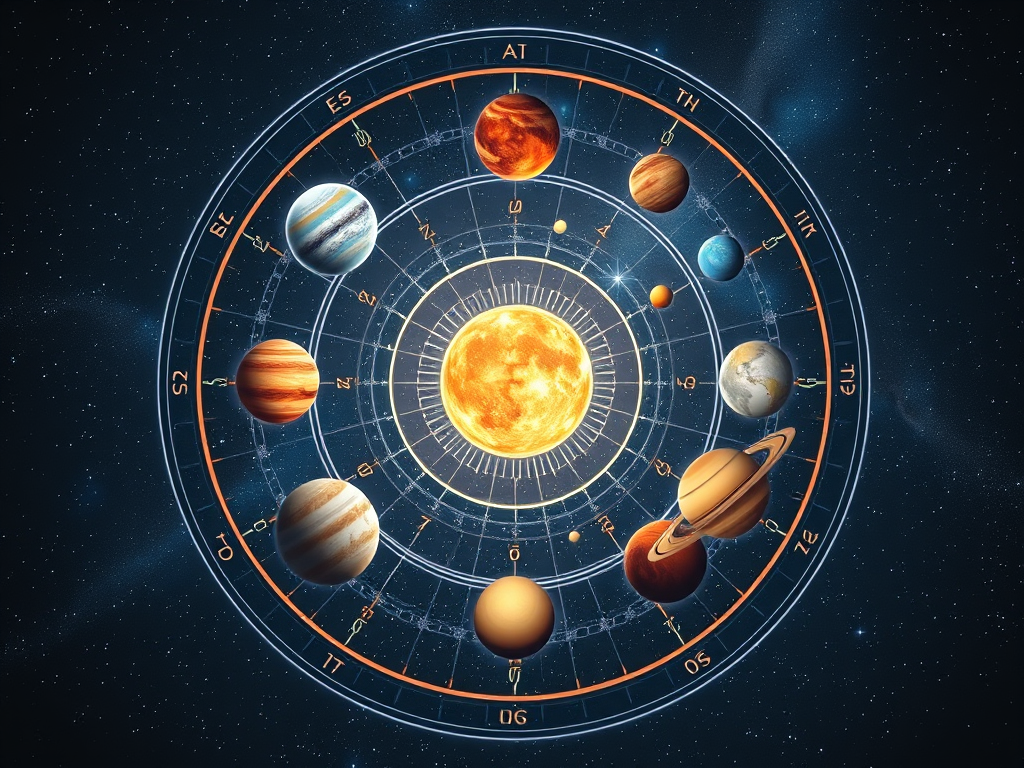
In Vedic astrology, prediction is primarily based on planetary period systems known as Daśā. Among these, the Vimśottarī Daśā system is most widely used. Rather than predicting isolated events, Mahadasha describes long-term life phases during which certain planetary influences become dominant.
Understanding Mahadasha is essential because it explains why different life periods emphasise different priorities such as education, career consolidation, relocation, or family development.
What Is a Mahadasha?
A Mahadasha is a major planetary period representing the time span during which one planet becomes the primary operational influence in a person’s life.
Each Mahadasha:
- Activates the houses ruled by that planet
- Emphasises the planet’s placement in the chart
- Influences decisions, opportunities, and environmental shifts
Thus, Mahadasha indicates which life themes become structurally prominent.
Why Life Feels Different in Different Periods
Many people observe that life priorities change over time.
For example:
- Some phases emphasise study or skill-building
- Others emphasise career responsibility
- Others emphasise family or relocation
Mahadasha explains this variation by showing which planetary energy dominates each period.
The Vimśottarī Daśā Sequence
In classical Jyotiṣa, the Vimśottarī system assigns a fixed sequence of planetary periods.
These include:
- Ketu
- Venus
- Sun
- Moon
- Mars
- Rahu
- Jupiter
- Saturn
- Mercury
Each planet governs a specific duration within the full cycle.
How Mahadasha Is Calculated
The starting Mahadasha depends on the Moon’s position at birth.
Astrologers calculate:
- The birth nakshatra
- The remaining portion of that nakshatra
- The corresponding planetary period
This determines the sequence of life phases.
Mahadasha Does Not Guarantee Events
Classical astrology emphasises that Mahadasha indicates:
- Activation of life themes
- Structural focus areas
- Probability windows
It does not automatically guarantee specific events such as marriage or job change.
Events usually require:
- Supportive sub-period (Antardasha)
- Transit activation
- Environmental opportunity
Why Some Mahadasha Periods Feel Challenging
Different planetary periods emphasise different responsibilities.
Some periods may require:
- Structured effort
- Environmental adjustment
- Financial discipline
- Relocation or institutional restructuring
Such phases often feel demanding but may contribute to long-term consolidation.
Why Mahadasha Must Be Interpreted with the Full Chart
Popular astrology sometimes labels certain Mahadasha periods as universally good or bad.
Classical Jyotiṣa instead requires:
- Analysis of planetary strength
- Evaluation of house rulership
- Observation of transit cycles
- Synthesis with environmental context
Only this combined method allows responsible interpretation.
Mahadasha in Vedic astrology represents long-term planetary periods that activate different life themes across time. Understanding Mahadasha allows structured interpretation of life phases and developmental cycles while emphasising that astrology describes timing tendencies rather than fixed outcomes.