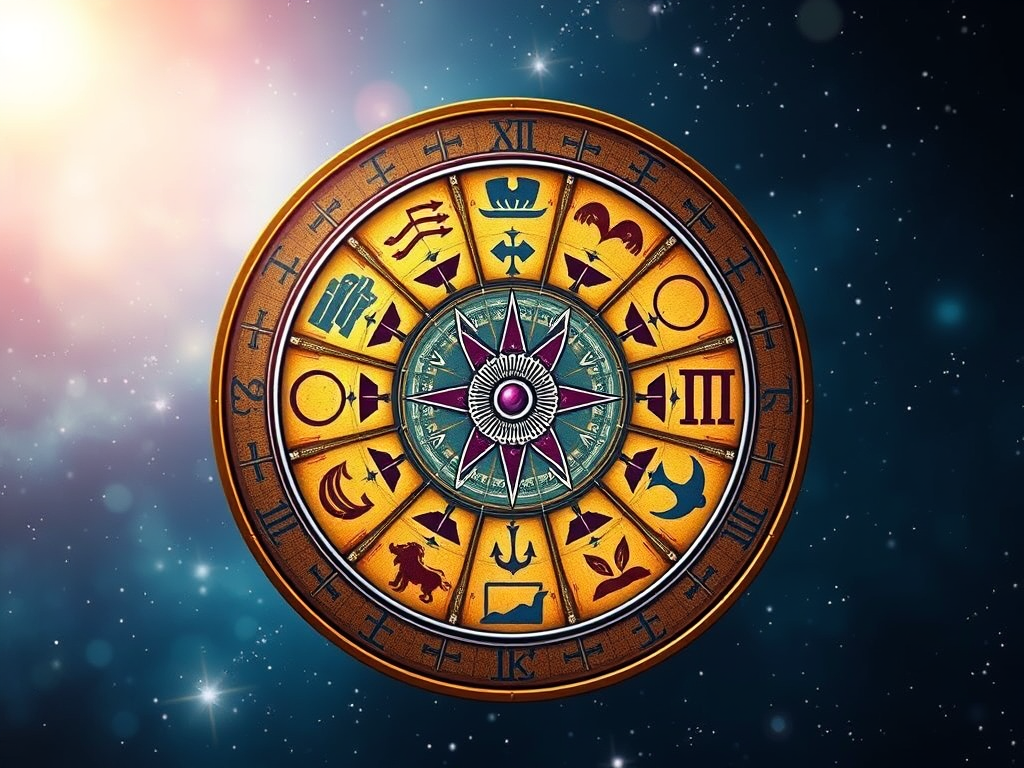
In Vedic astrology, the birth chart is divided into twelve houses, each representing a specific domain of human experience. While planets indicate energy patterns, houses indicate where those patterns manifest in life.
Understanding the houses is essential because they form the structural framework of horoscope interpretation. Without house analysis, planetary symbolism alone cannot provide meaningful insight.
What Houses Represent
Each house symbolises a life field such as:
- Identity
- Family
- Communication
- Home environment
- Education and creativity
- Work responsibilities
- Partnerships
- Transformation cycles
- Higher learning
- Professional visibility
- Gains and networks
- Withdrawal or distant environments
Thus, houses describe the structure of life experience rather than personality traits alone.
The First House (Lagna)
The first house represents:
- Physical presence
- Behavioural orientation
- Life approach pattern
- Vitality and environmental responsiveness
Because it sets the structural starting point of the chart, the first house determines the numbering of all remaining houses.
The Second House
The second house relates to:
- Family structure
- Accumulated wealth
- Stored resources
- Speech and communication style
It is often studied in financial and household stability analysis.
The Third House
The third house symbolises:
- Communication effort
- Short journeys
- Initiative and courage
- Sibling interactions
It often reflects how individuals express effort in daily life.
The Fourth House
The fourth house represents:
- Home environment
- Emotional security
- Residence stability
- Domestic comfort
It is frequently examined in relocation or property-related questions.
The Fifth House
The fifth house governs:
- Creativity and education
- Intellectual expression
- Romantic connection
- Children and generational continuity
It is a key house in family expansion analysis.
The Sixth House
The sixth house symbolises:
- Work responsibilities
- Competition and effort
- Health routines
- Service environments
It often reflects areas requiring disciplined daily management.
The Seventh House
The seventh house represents:
- Formal partnerships
- Marriage structures
- Contractual agreements
- Professional collaborations
It is the primary house studied in relationship analysis.
The Eighth House
The eighth house relates to:
- Sudden change cycles
- Transformation periods
- Shared resources
- Deep psychological restructuring
It is often associated with transitional life phases.
The Ninth House
The ninth house governs:
- Higher learning
- Long-distance journeys
- Philosophical outlook
- Institutional guidance
It frequently appears in education or international exposure analysis.
The Tenth House
The tenth house symbolises:
- Career responsibility
- Public visibility
- Professional authority
- Institutional recognition
It is the central house for career structure evaluation.
The Eleventh House
The eleventh house represents:
- Gains and income
- Social networks
- Institutional reward
- Fulfilment of ambitions
It is often studied in financial and professional achievement analysis.
The Twelfth House
The twelfth house relates to:
- Distant environments
- Withdrawal phases
- Expenditure cycles
- Relocation or isolation periods
It often appears in foreign residence or transitional life analysis.
Why Houses Must Be Studied Before Planets
Classical Jyotiṣa always studies houses first because:
- Houses define life domains
- Planets activate those domains
- Timing cycles trigger those domains
Without understanding house structure, planetary symbolism becomes incomplete.
The twelve houses in Vedic astrology represent the structural framework of life domains, indicating where planetary influences manifest. Understanding the houses provides the foundational map required for responsible horoscope interpretation and forms the starting point of all classical Jyotiṣa analysis.